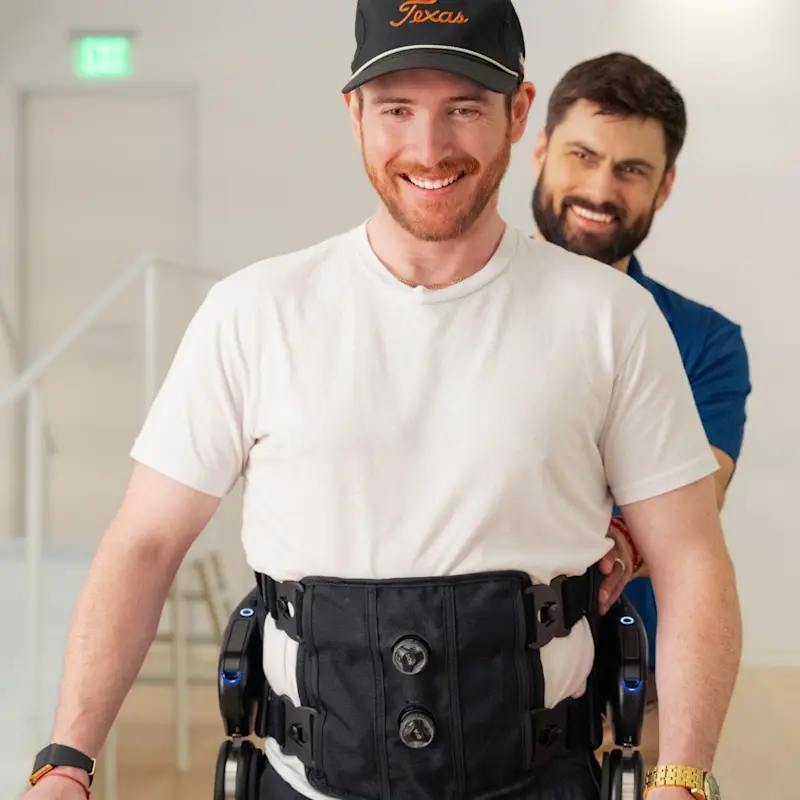
There may be another step forward in your recovery, or theirs.
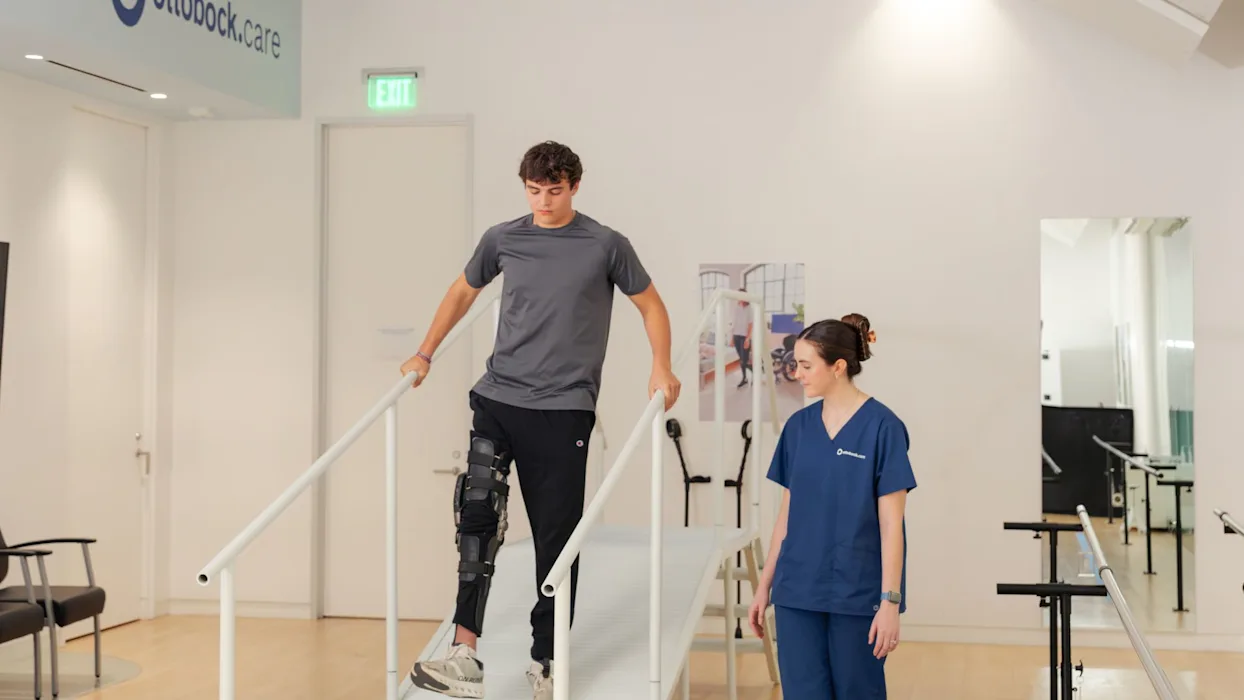
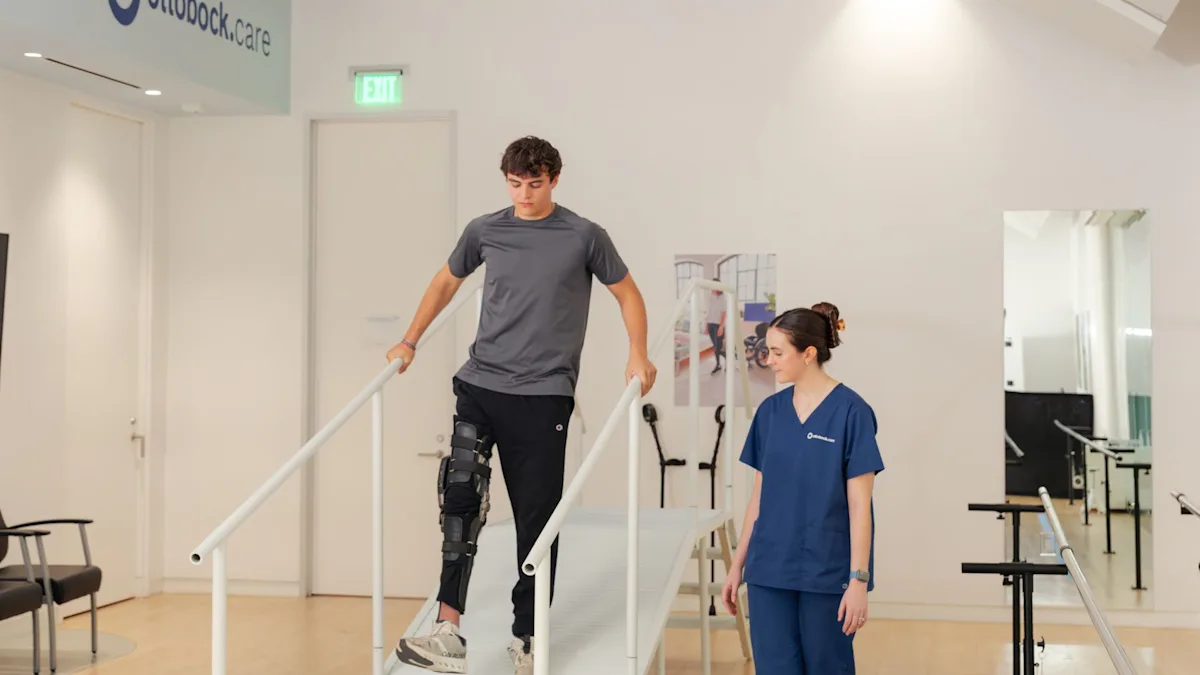
You, or someone you love, has put in the work.
The therapy. The exercises. The countless small wins along the way.
At some point, you may have heard something like, "This is where things will likely stay."
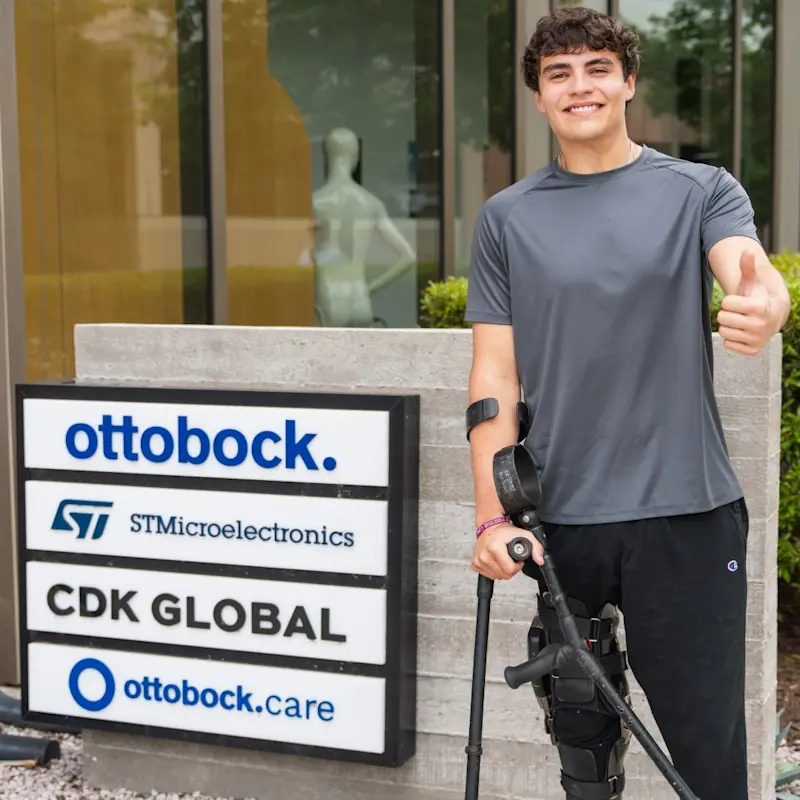
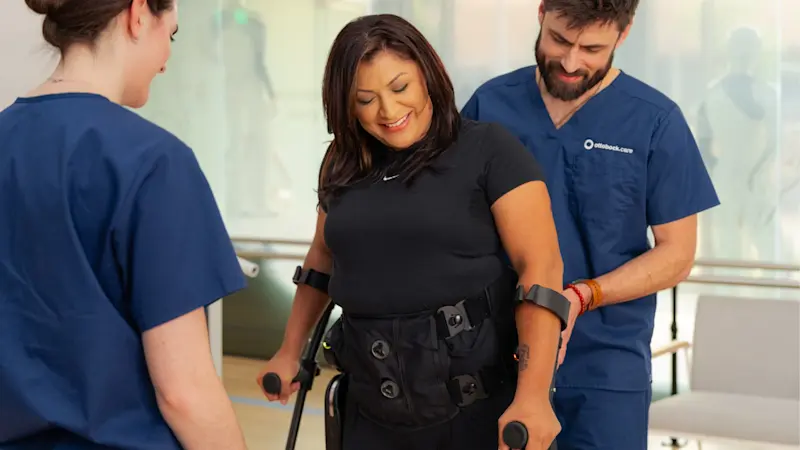
For many people recovering from stroke, brain injury, or spinal cord injury, that is not the end of the story. As goals become clearer, technology and strategies you may not have tried yet can become part of the plan: bracing, powered orthoses, exoskeleton technologies, and more.
Recovery from a neurological injury rarely follows a straight line. Early on, the focus is stabilization and survival. Then it's building strength and independence in rehab. But once someone is home, mobility goals can sit unaddressed for months or years, not because progress isn't possible, but because no one raised the option.
Here at Ottobock Care, we call this “Neuromobility”, and that’s where this technology comes in.
There may be another path forward.
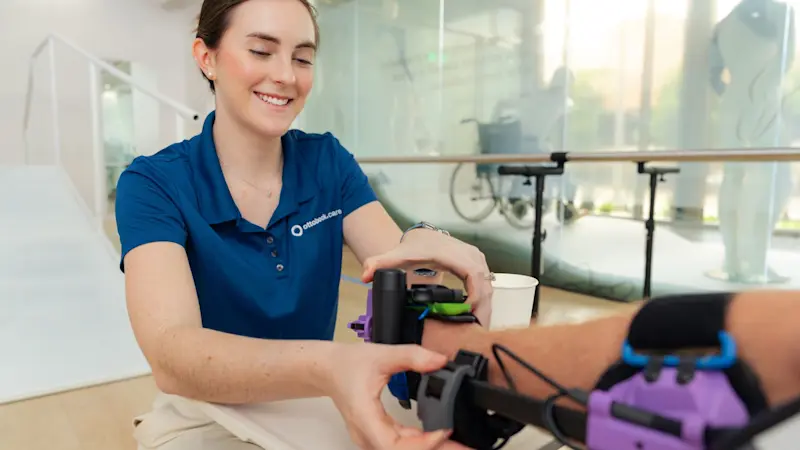
At Ottobock Care, our Neuromobility approach pairs advanced rehabilitation technology (orthotic bracing, microprocessor-controlled bracing, powered orthoses, exoskeleton technologies) with one-on-one clinical evaluation, so any recommendation is matched to the person's specific diagnosis, function, and goals.
This isn't about starting over. It's about building on progress already made, with tools that may not have been available or offered before.
How It May Help
Depending on the evaluation, Neuromobility solutions may support:
Greater stability in standing and walking
Improved strength and coordination
Reduced fall risk
More independence in daily transfers and mobility
Progress toward goals that matter most, whether that's work, family, recreation, or simply moving through the day with more confidence
There is no single solution that works for everyone. What's appropriate depends on diagnosis, physical abilities, and a clinical evaluation with a care team.
Is this for you or someone you care about?
This may be worth exploring if:
You, or someone you care for, is living with the effects of a stroke, brain injury, or spinal cord injury
Progress has plateaued, or mobility technology hasn't been explored yet
There's curiosity about bracing, powered orthoses, or exoskeleton options
There's motivation to keep working toward mobility and independence goals
Researching for someone else? That's common, and it's a great place to start. Many family members and caregivers reach out first, then bring the information back to their loved one and care team.
Only a clinical evaluation with Ottobock Care orthotists can determine whether a specific technology is appropriate for a given individual.
Specialized care. Advanced technology.
Ottobock Care's clinicians focus specifically on neuromobility, helping people with stroke, brain injury, spinal cord injury, and other neurological conditions explore what's possible using proven rehabilitation techniques and evolving assistive technology.
Patients work one on one with our local clinicians who coordinate with their existing care team and help manage the insurance and documentation process along the way.
With the right evaluation and support, many patients and families discover there is more room to grow than they expected: new stability, new independence, new confidence in daily life.
The next step could look different too.
What to Expect
Submit an inquiry so a clinical liaison can follow up
Initial screening of needs and priorities
Clinical evaluation of strength, function, and safety
Trial or demonstration, when appropriate
Documentation and insurance review
Training to build skills and confidence
Ongoing support using the technology at home and in the community
Clinicians lead every step. Timelines vary by individual and by insurance provider.