
Cranial Remolding Helmets for Babies & Children
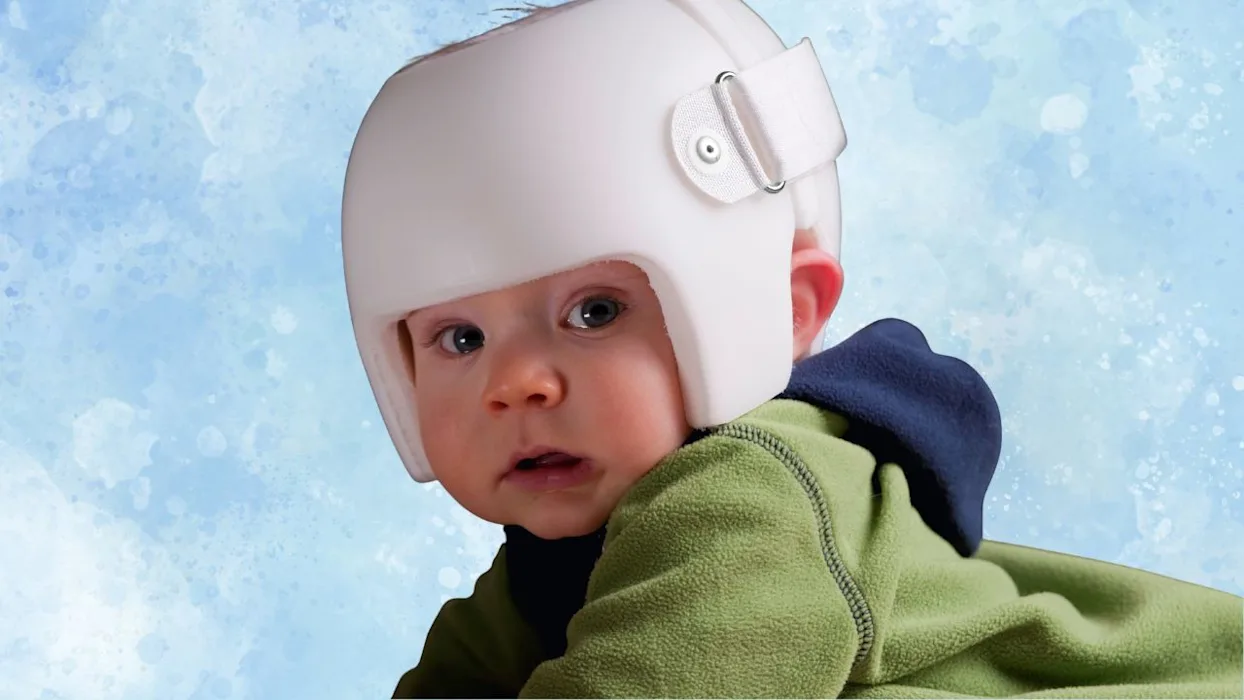
Helping Your Baby Thrive with a Healthy Head Shape
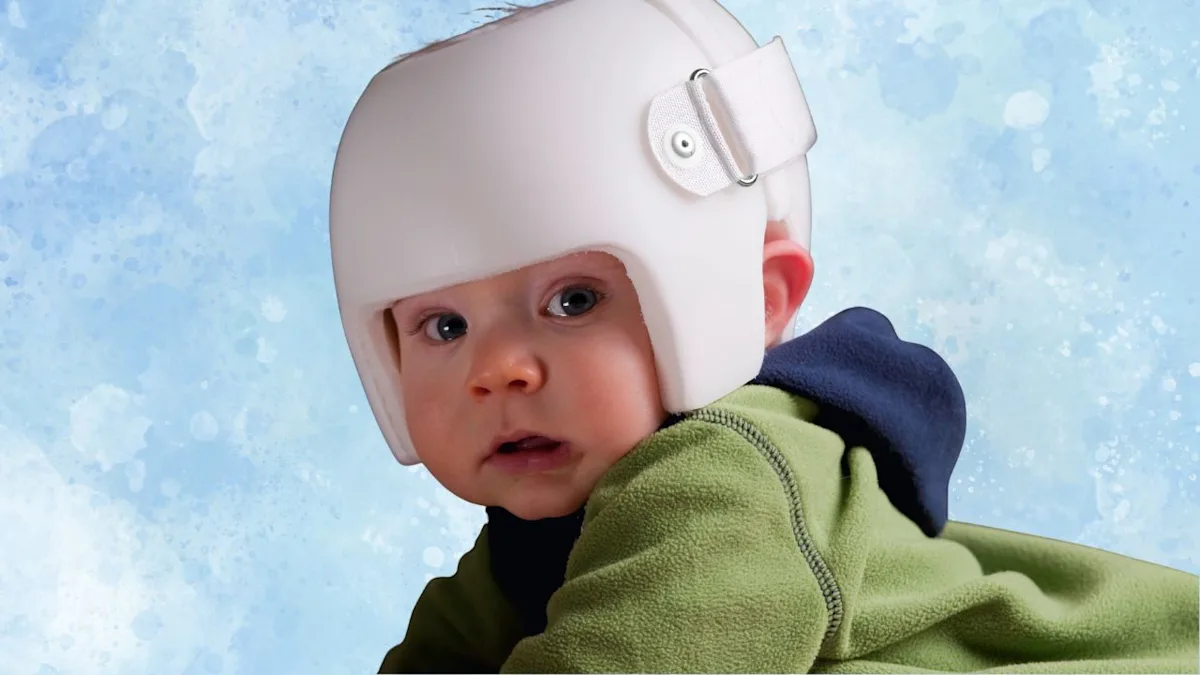
Every parent wants their baby to grow up happy and healthy. Sometimes, a baby's head can develop flat spots, a condition known as plagiocephaly or "flat head syndrome." When this happens, a custom-fitted cranial remolding helmet can be a safe and gentle way to guide your baby’s head back to a balanced, healthy shape.
At Ottobock Care, we understand how important this is. Our pediatric orthotists are specialists in cranial remolding therapy, offering personalized care and the most advanced helmet technology. With over 50 clinics nationwide, we’re here to help you find the right solution close to home, so you can focus on what matters most: your baby’s journey of growth and discovery.

Why a Cranial Helmet Might Be the Right Choice
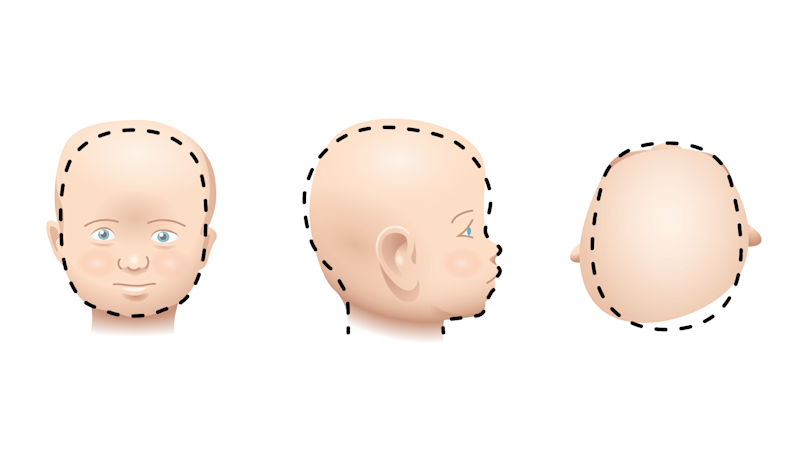
A baby's skull is soft and flexible to allow for their rapid brain growth. While this flexibility is normal, it can sometimes lead to uneven shaping. Common reasons for this include:
Positional Flattening (Plagiocephaly, Brachycephaly, Scaphocephaly): This is the most common cause. Babies who spend extended time on their backs (for sleep safety) or in car seats can develop flat spots.
Torticollis (Tight Neck Muscles): When a baby has a limited range of motion in their neck, they may consistently rest their head on one side, creating an asymmetrical head shape.
Post-Surgical Support: After certain medical procedures, like craniosynostosis surgery, a helmet can be used to protect and guide skull growth.
Early intervention is key. Without treatment, these head shape differences may persist. Starting therapy at the right time gives your baby the best chance for a successful outcome.
Signs to Look For
You may want to schedule an evaluation with one of our specialists if you notice any of the following signs:
A flat spot on the back or side of the head that doesn't improve with repositioning or tummy time.
One ear or one side of the forehead appears to be pushed forward compared to the other.
One side of the head appears longer or wider than the other.
Difficulty for your baby to turn their head equally in both directions.
No visible improvement by 4–5 months of age.
Best time to start: The optimal window for treatment is typically between 4 and 6 months of age, when a baby’s skull is growing most rapidly. Children up to 18 months can still benefit, though the treatment period may be longer.
Why Families Trust Ottobock Care
Choosing the right clinic for your baby's care is a big decision. At Ottobock Care, we offer a truly different experience.
Experts in All Helmet Types: We don’t believe in a "one-size-fits-all" approach. Our pediatric orthotists are trained and experienced with a variety of cranial helmet systems, allowing us to select the best one for your baby's specific needs.
Advanced and Safe Technology: We offer non-invasive, safe 3D scanning to create a precise digital model of your baby’s head. This replaces the old, uncomfortable, and messy plaster casting process.
A Partner in Your Baby's Journey: We are a family-centered practice. Our team is with you through every step, from your initial consultation and scans to fittings, adjustments, and the final "graduation day."