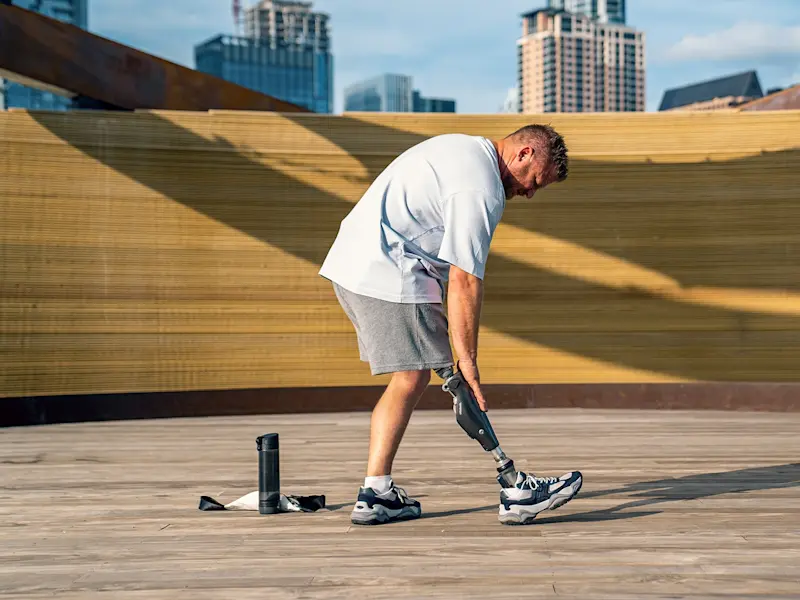
Tips for Taking Care of Your Prosthesis
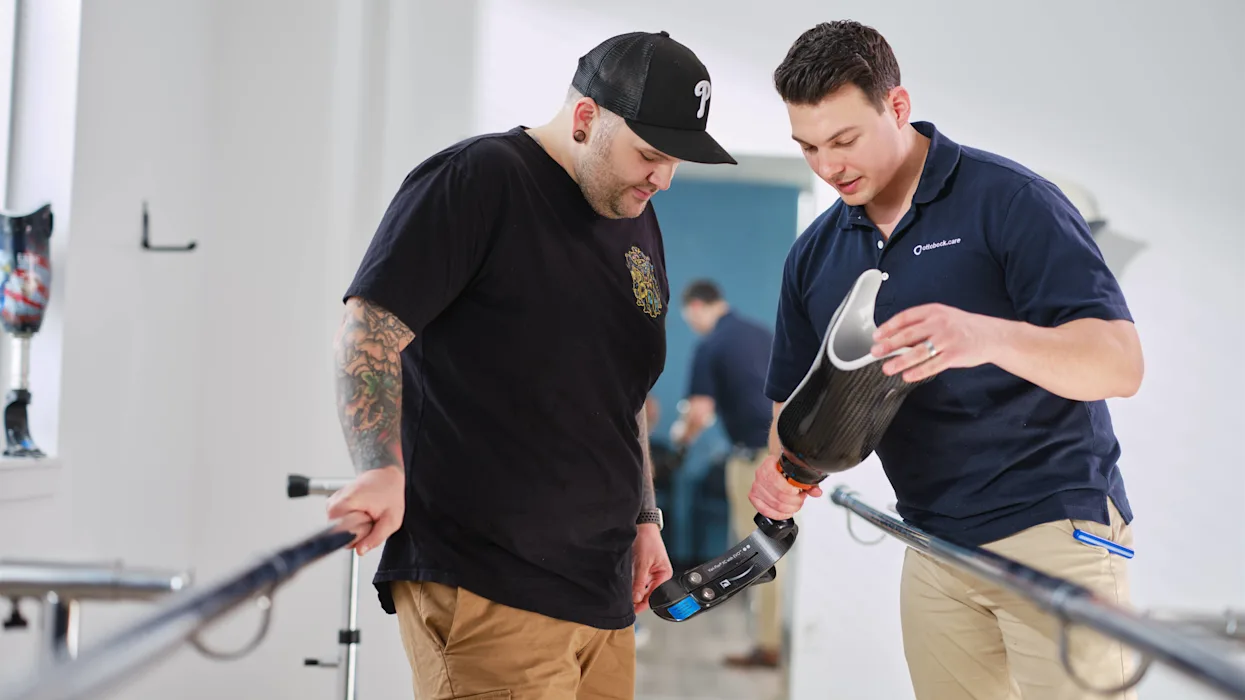
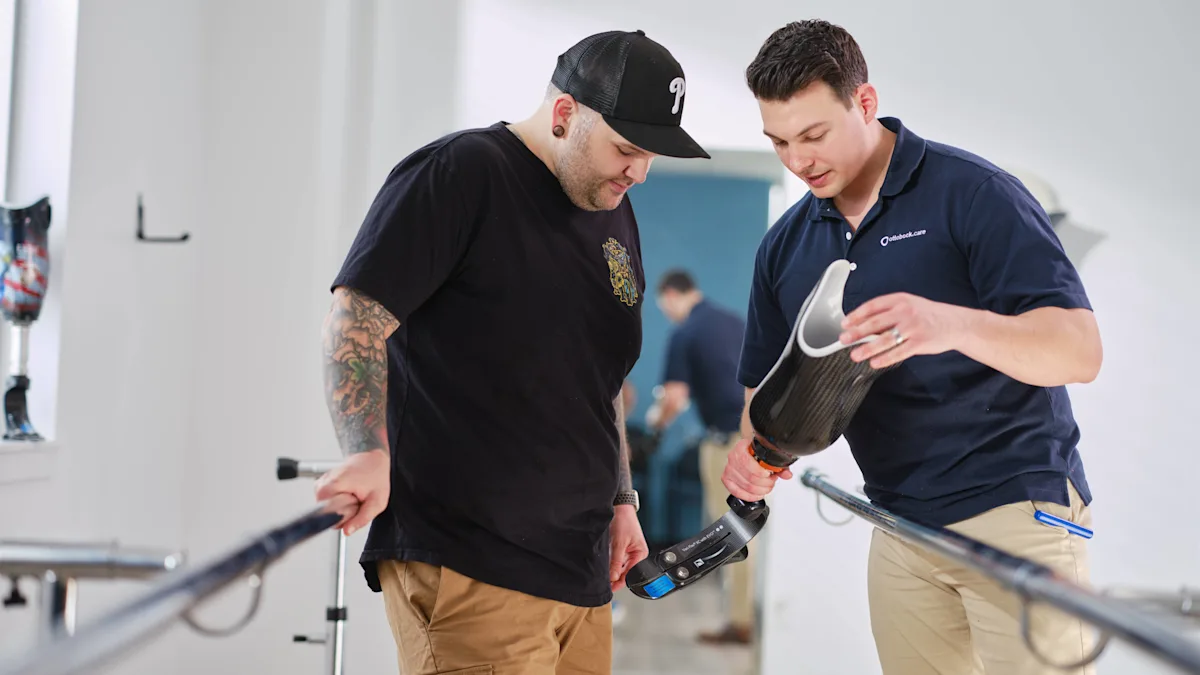
A prosthesis is a precision medical device. Whether you wear a simple prosthesis or have something more advanced like a microprocessor-controlled knee, proper daily care is essential for performance, comfort, and safety. Consistent maintenance helps extend the life of your prosthesis, protects your residual limb, and allows potential issues to be identified early… before they turn into costly repairs or unexpected downtime.
This practical guide outlines essential prosthetic care practices every prosthesis user should follow, regardless of activity level or component type.
Why Prosthetic Care Matters
Routine prosthetic care and maintenance improve device longevity, reduce the risk of mechanical failure, and support safe, confident walking. Small changes (like unusual sounds, looseness, or socket discomfort) can signal larger problems if left unaddressed.
Manufacturer care instructions should always be your primary reference, especially for high‑tech components such as microprocessor-controlled knees, powered ankles, or waterproof systems. These guidelines also help protect warranties and insurance coverage for future repairs or replacements.
Proper care becomes even more important for patients currently in prosthetic trials, where component performance and long‑term durability are being evaluated prior to final insurance authorization.
Daily Prosthesis Checks
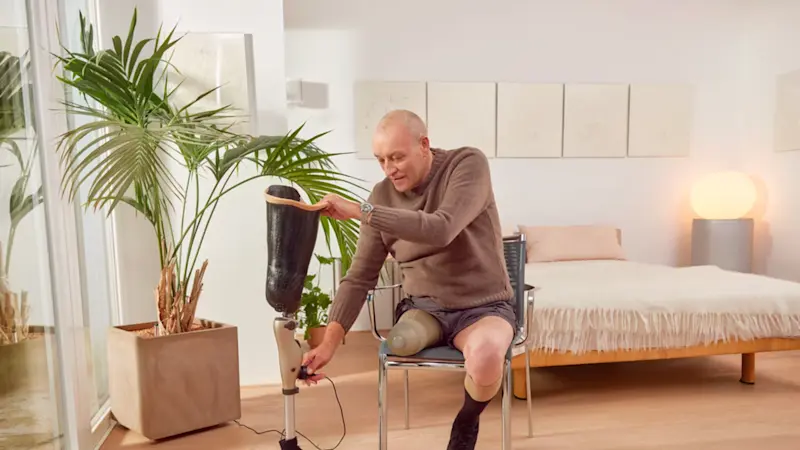
Before donning your prosthesis each day, take a few minutes to visually and physically inspect it:
Look and feel inside the socket to ensure nothing has fallen in and no sharp edges are present that could injure your residual limb
If you use a pin‑locking liner, test the pin release mechanism before putting the prosthesis on
Inspect the exterior for cracks, loose screws, or parts moving when they shouldn’t—or parts that used to move but no longer do
Pay attention to new sounds such as clicking, grinding, or cracking during use
If you notice unusual noise, movement, or visible damage, stop wearing the prosthesis and contact your prosthetist immediately. If your prosthetist is unavailable, notify the front desk so another qualified practitioner can assist you.
Daily Socket Cleaning and Hygiene
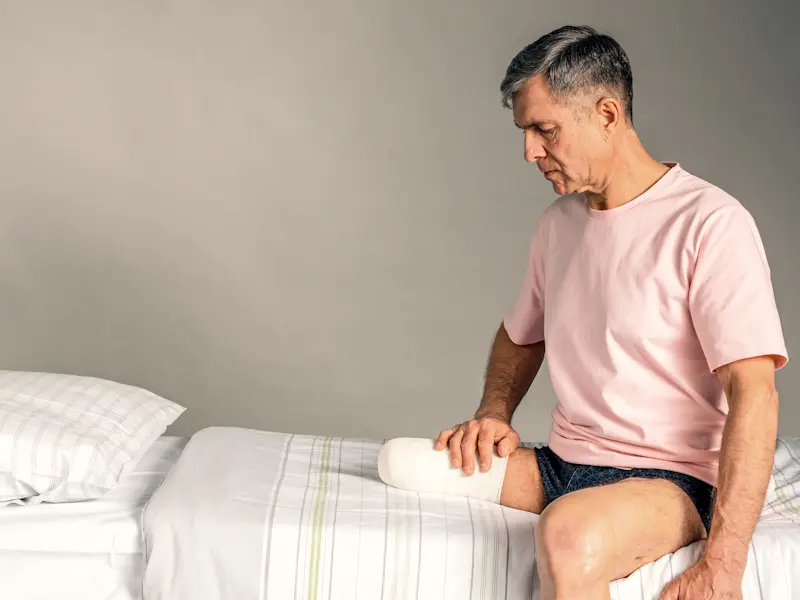
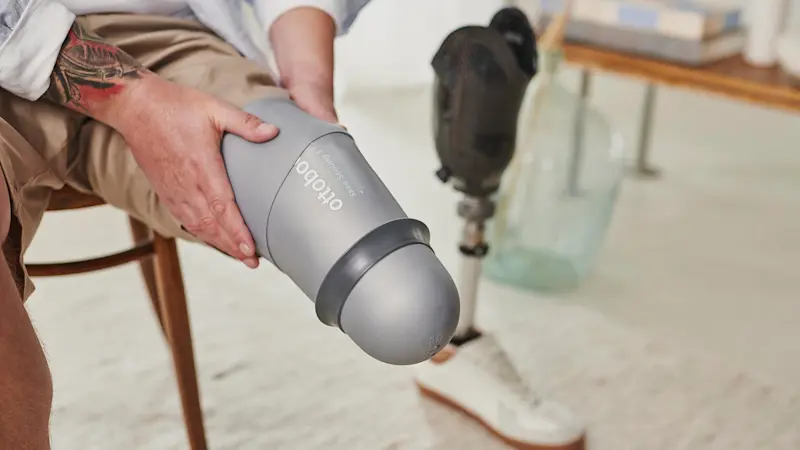
Anything that touches your skin (including the socket interior) must be cleaned daily. Sweat, bacteria, and skin cells build up quickly and can lead to irritation, rashes, or infection.
Daily socket cleaning routine:
Clean the inside of the socket with mild antibacterial soap and warm water
Rinse thoroughly using a clean, damp cloth
Allow the socket to air dry completely before use
For deeper sanitizing—or after exposure to sweat, bodily fluids, mud, or chemicals—use a 50% water and isopropyl alcohol solution. Avoid harsh cleaners or unknown chemicals unless explicitly recommended by your prosthetist, especially for sensitive digital or electronic components.
Prosthetic Sock, Liner, and Sleeve Care
Socks, liners, and suspension sleeves are in direct contact with your skin and must be cleaned daily to maintain skin health.
Prosthetic liners: Remove by unrolling (never pulling). Wash the gel side gently with warm water and mild body soap—do not scrub. Rinse twice and air dry on a liner stand for at least 24 hours. Owning two liners allows for proper drying and longer liner lifespan.
Prosthetic socks: Wash daily in warm water with mild detergent. Rinse thoroughly and dry warm. Always wear clean, dry socks to reduce skin breakdown.
Suspension sleeves: Wipe down daily with mild soap and water.
Mechanical Components and Advanced Prosthetics
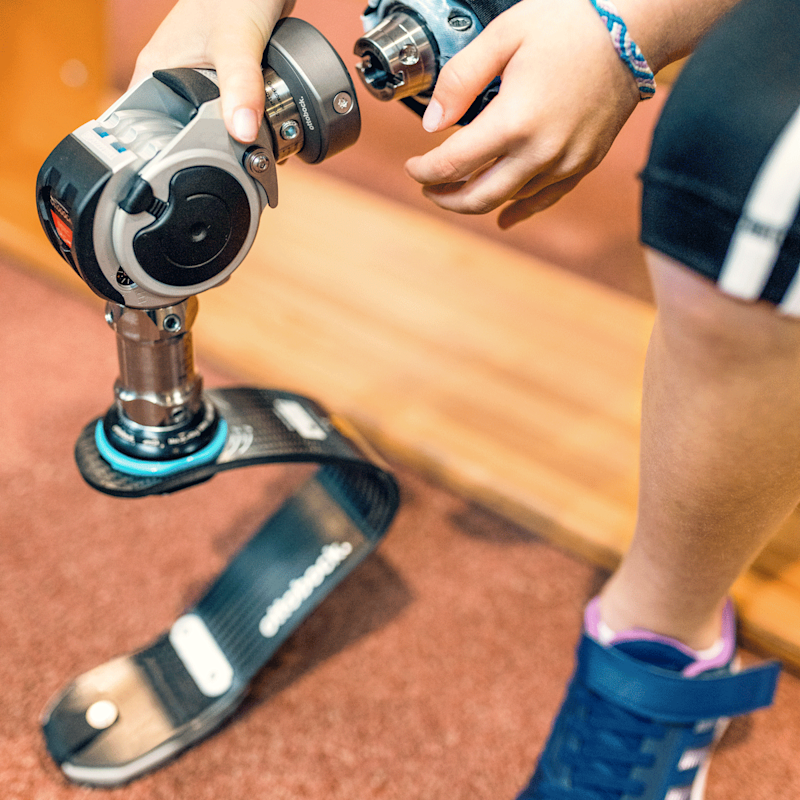
Your prosthesis contains mechanical and engineered components (joints, screws, pylons, feet, and sometimes electronics) that require professional oversight.
Important mechanical care rules:
Never adjust screws, joints, or alignment yourself
Schedule prosthetic follow‑up appointments at least every 6 months, even if the device feels fine
Watch for black or metallic dust near joints or components, which may indicate internal wear
Review component warranties at delivery and keep documentation on file
For users with microprocessor-controlled knees or other MPK prosthetics, water exposure rules are especially important. Know which components are water‑resistant and which are not. If any component becomes wet unexpectedly, dry it promptly and contact your prosthetist if performance changes.
Footwear, Heel Height, and Prosthetic Alignment
Prosthetic feet are calibrated for a specific heel height. Switching shoe styles, especially heel height, can alter alignment, increasing strain on your residual limb, back, hips, or sound-side joints.
Before changing footwear:
Talk with your prosthetist about heel height changes
Bring new shoes to your appointment for alignment review
Wear shoes consistently unless your prosthetist advises otherwise
Walking barefoot with a prosthetic foot can be unsafe due to reduced traction and altered gait mechanics.
Follow Up Appointments
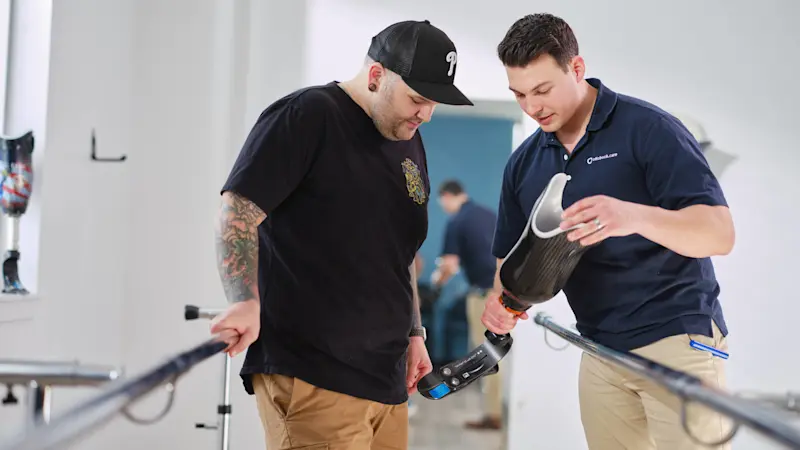
Routine follow‑up visits help catch problems you may not feel or see. Your prosthetist evaluates socket fit, alignment, gait symmetry, and component function, while addressing limb volume changes from weight fluctuations or increased activity.
These visits are also important when:
Transitioning out of prosthetic trials
Discussing insurance coverage for component upgrades
Reviewing long‑term options related to prosthetic leg price and replacement timelines
Always bring your prosthesis, liners, socks, footwear, and questions—and never leave without scheduling your next visit.
Frequently Asked Questions
Get Expert Prosthetic Support
Your prosthesis should support your lifestyle - not limit it. If you have questions about care, fit, advanced components like MPK prosthetics, or concerns about insurance coverage and prosthetic leg price, our experienced team is here to help.
Visit our contact page to schedule an appointment with an Ottobock Care prosthetics specialist.
Tips for Taking Care of Your Prosthesis: A Practical Maintenance Guide
Medical Disclaimer
The information provided in this article is intended for general educational purposes only and does not constitute medical advice. Prosthetic care, fit, component selection, and maintenance recommendations vary based on individual needs, medical history, activity level, and prescribed components.
Always consult your certified prosthetist or qualified healthcare provider before making changes to your prosthesis, care routine, or activity level. Do not attempt to adjust or repair prosthetic components yourself. If you experience pain, skin breakdown, changes in fit, unusual sounds, or mechanical concerns, discontinue use and contact your prosthetics care provider promptly.
Care protocols, warranties, insurance coverage, and prosthetic device performance, including those related to microprocessor-controlled knees and MPK prosthetics, may vary by manufacturer and individual prescription.