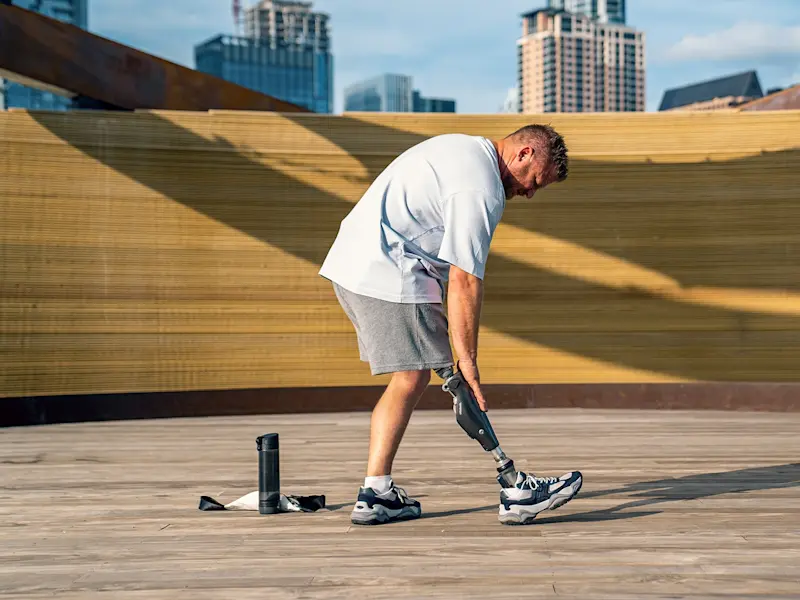
How Long to Wear Your Prosthesis


Getting fitted with a prosthesis is a major milestone—but knowing how long to wear it and how to build up wear time safely is just as important as the device itself. Whether you’re a first‑time prosthetic user or transitioning to a new socket, following a structured wear schedule helps protect your residual limb, prevent skin breakdown, and support long‑term comfort and mobility.
Quick answer: Most new prosthetic users begin with short wear sessions and gradually increase wear time over one to two weeks. Advancing too quickly increases the risk of skin irritation, pain, and delayed rehabilitation.
How Long Should You Wear a Prosthesis Each Day?
There is no single wear‑time rule that applies to everyone, but most prosthetists recommend a gradual break‑in schedule, especially for new users or anyone receiving a new socket. Wearing a prosthesis too long, too soon can cause blisters, pressure points, and skin breakdown that may set rehabilitation back by weeks.
A commonly used guideline is to increase wear time by approximately 30 minutes per session per day:
Day 1: 30 minutes in the morning, 30 minutes in the afternoon
Day 2: 1 hour per session
Day 3: 1.5 hours per session
Day 4: 2 hours per session
Day 5: 2.5 hours per session
Day 6: 3 hours per session
Day 7: 3.5 hours per session
Day 8: 4 hours per session
Day 9: 4.5 hours per session
Day 10: 5 hours per session
After roughly two weeks, many patients can transition to wearing their prosthesis for most or all of the day.
Always follow the guidance provided by your prosthetist. Individual factors—including skin condition, diagnosis, limb volume changes, and activity level—may require adjustments to this schedule.

Why Gradual Wear Time Matters
Breaking in a prosthesis is similar to breaking in a new pair of shoes—but with much higher stakes. Wearing a new prosthesis for extended periods before your skin adapts can lead to pressure injuries and sores that may temporarily prevent prosthesis use altogether.
After each wear session, remove your prosthesis and carefully inspect your residual limb. Any redness should return to your normal skin color within 10–15 minutes.
If redness fades within that window, it is generally safe to continue progressing.
If redness persists longer than 10–15 minutes, do not increase wear time.
Persistent redness is an early warning sign that your socket fit may need adjustment or that you are progressing too quickly. Contact your prosthetist promptly if this occurs.
This skin‑check routine is especially important for individuals with diabetes or vascular conditions, as decreased sensation and slower healing increase the risk of complications.
Should You Wear a Prosthesis While Sleeping?
No. A prosthesis should never be worn while sleeping.
Sleeping with a prosthesis significantly increases the risk of skin breakdown due to prolonged, unrelieved pressure.
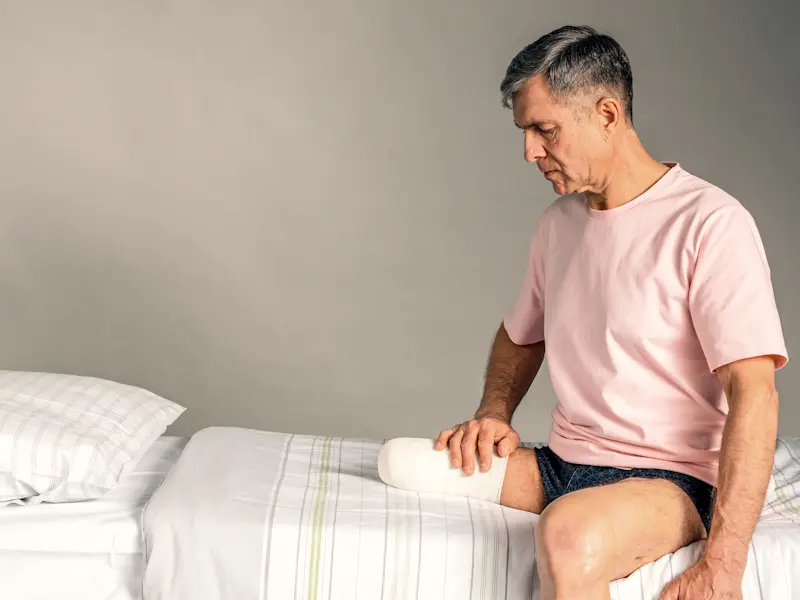
When your prosthesis is off, your prosthetist will typically recommend wearing a prosthetic shrinker sock or using a properly applied figure‑8 ace wrap. These help control swelling and maintain residual limb shape. Shrinkers should be worn at night and during any period when the prosthesis is not on—but never at the same time as the prosthesis.

What About Bathing With a Prosthesis?
Do not wear your prosthesis or shrinker while bathing or showering.
After bathing:
Dry your residual limb thoroughly.
Allow the skin to fully cool and dry.
Apply your shrinker if needed.
Wait 20–30 minutes before donning your prosthesis.
Hot water increases limb swelling, which can make donning more difficult. For many users, bathing in the evening rather than the morning helps minimize swelling‑related fit issues.

The Role of a Walking Aid During Prosthesis Break In
You may need to slow down your wear schedule or contact your prosthetist if you experience:
Skin redness lasting longer than 10–15 minutes after removing the prosthesis
Blisters, open skin, or sores on the residual limb
Pain or unusual pressure during wear
A socket that feels loose, unstable, or inconsistent throughout the day
Residual limb volume changes are normal, especially in the first months after amputation. Managing sock ply (the number and thickness of prosthetic socks worn) helps maintain a stable and comfortable fit. Your prosthetist will teach you how to make proper adjustments.

Frequently Asked Questions
How Long to Wear Your Prosthesis: A Complete Guide for New and Experienced Users
Ready to Take the Next Step?
The right care team makes every stage of your prosthetic journey easier. Visit our contact page to connect with an Ottobock care specialist and receive personalized guidance tailored to your goals, activity level, and comfort needs.
The information provided in this article is for educational and informational purposes only and is not intended to replace professional medical advice. Prosthetic wear schedules and care recommendations vary based on individual medical history, diagnosis, and limb condition. Always consult your medical team and certified prosthetist before starting, changing, or continuing a prosthetic wear program. If you experience pain, skin breakdown, or other concerns, seek professional guidance promptly.